
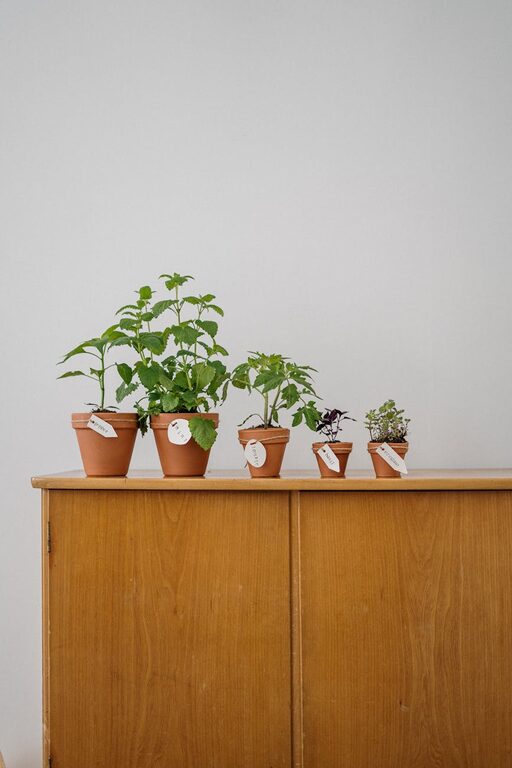
Starting a small herb garden indoors is a rewarding way to bring fresh flavors into your kitchen while adding a touch of greenery to your living space. Whether you have a sunny windowsill or just a bit of counter space, growing herbs inside can be easy and enjoyable with the right approach. This guide will walk you through everything you need to know to get your indoor herb garden thriving.
Why Grow Herbs Indoors?
Indoor herb gardening offers many benefits:
– Fresh herbs on demand for cooking
– Saves money compared to store-bought herbs
– Improves air quality inside your home
– Provides a relaxing and productive hobby
– Perfect for people with limited outdoor space
With these advantages in mind, it’s worth setting up a small indoor garden for herbs, regardless of where you live.
Choosing the Right Herbs for Indoors
Some herbs are better suited for growing indoors due to their light and care requirements. Here are some popular choices that typically do well inside:
– Basil: Loves sunlight and warmth; ideal for cooking Italian dishes.
– Parsley: Thrives in moderate light and can handle some shade.
– Mint: Grows quickly but can take over, so keep it in a separate pot.
– Thyme: Prefers bright light and well-draining soil.
– Chives: Easy to care for and good for garnishing meals.
– Cilantro: Likes cooler temperatures and bright indirect light.
– Oregano: Needs plenty of sun and well-drained soil.
When starting out, consider selecting two or three types that you use most often and that thrive in your available light conditions.
Supplies You’ll Need
Gathering the right supplies helps ensure your herb garden gets off to a healthy start. Here’s a checklist:
– Containers or pots with drainage holes
– Quality potting mix formulated for herbs or indoor plants
– Herb seeds or small starter plants from a nursery
– A spray bottle for watering
– Plant markers (optional)
– Fertilizer appropriate for herbs (liquid or slow-release)
If you lack natural light near your kitchen or windowsill, consider investing in a small grow light designed for indoor plants.
Step-by-Step Guide to Starting Your Herb Garden
1. Pick a Location with Adequate Light
Most herbs need at least 6 hours of sunlight daily. A south-facing window typically provides the best natural light. If natural light is limited, an LED grow light placed about 6 to 12 inches above the plants can supply enough light for healthy growth.
2. Choose Your Containers
Select pots with drainage holes to prevent waterlogging, which can cause root rot. Size matters; herbs generally like snug pots, but they do need enough space for root growth. Containers that are 4 to 6 inches deep work well for most herbs.
3. Prepare the Soil
Use a good-quality potting mix that drains well but also holds moisture. Avoid using garden soil as it can be too dense for indoor pots and may contain pests. You can also mix perlite or sand into the potting soil to improve drainage.
4. Plant Your Herbs
– If starting from seeds, follow the seed packet’s instructions for planting depth and spacing.
– If using starter plants, loosen the roots gently and plant at the same soil level as they were growing in their nursery containers.
– Water lightly after planting to settle the soil.
5. Water Regularly, But Don’t Overdo It
Most herbs prefer slightly moist soil but do not like to be soggy. Water when the top inch of soil feels dry to the touch. Using a spray bottle can help avoid overwatering, especially with seedlings.
6. Provide Proper Temperature and Humidity
Most herbs grow best in temperatures between 65°F and 75°F (18-24°C). Avoid placing your garden near drafts, heaters, or air conditioners. If the air inside is very dry, mist your herbs occasionally or place a tray of water nearby to increase humidity.
7. Fertilize Occasionally
Indoor herbs benefit from feeding about once a month during the growing season. Use a balanced liquid fertilizer diluted to half strength or a slow-release fertilizer formulated for herbs.
8. Prune and Harvest Frequently
Regular harvesting encourages fresh growth. Use scissors to snip off new leaves and stems, avoiding cutting more than one-third of the plant at a time. Pinch back the tips to promote bushier growth and to prevent herbs from flowering too soon.
Troubleshooting Common Problems
– Yellow leaves: May indicate overwatering or poor drainage.
– Leggy or sparse growth: Often caused by insufficient light; move plants closer to a window or use grow lights.
– Brown leaf tips: Could be due to dry air or inconsistent watering.
– Pests: Indoor plants can attract aphids or spider mites. Wipe leaves with soapy water or use natural pest control methods.
Tips for Success
– Rotate your herb pots every few days to ensure even light exposure.
– Keep a herb journal noting watering schedules, fertilizing, and growth progress.
– Try companion planting with herbs that have similar needs (e.g., basil and oregano).
– Use your herbs fresh to enjoy the full flavor and aroma.
Final Thoughts
Starting a small herb garden indoors is a fun and practical way to improve your cooking and brighten your home. With a little planning, care, and attention, you’ll soon enjoy fresh herbs at your fingertips all year round. Remember, each plant is unique, so observe your herbs closely and adjust your care routine as needed.
Happy gardening!